 Nigerian-owned, edited in Lagos
Nigerian betting payment methods explained
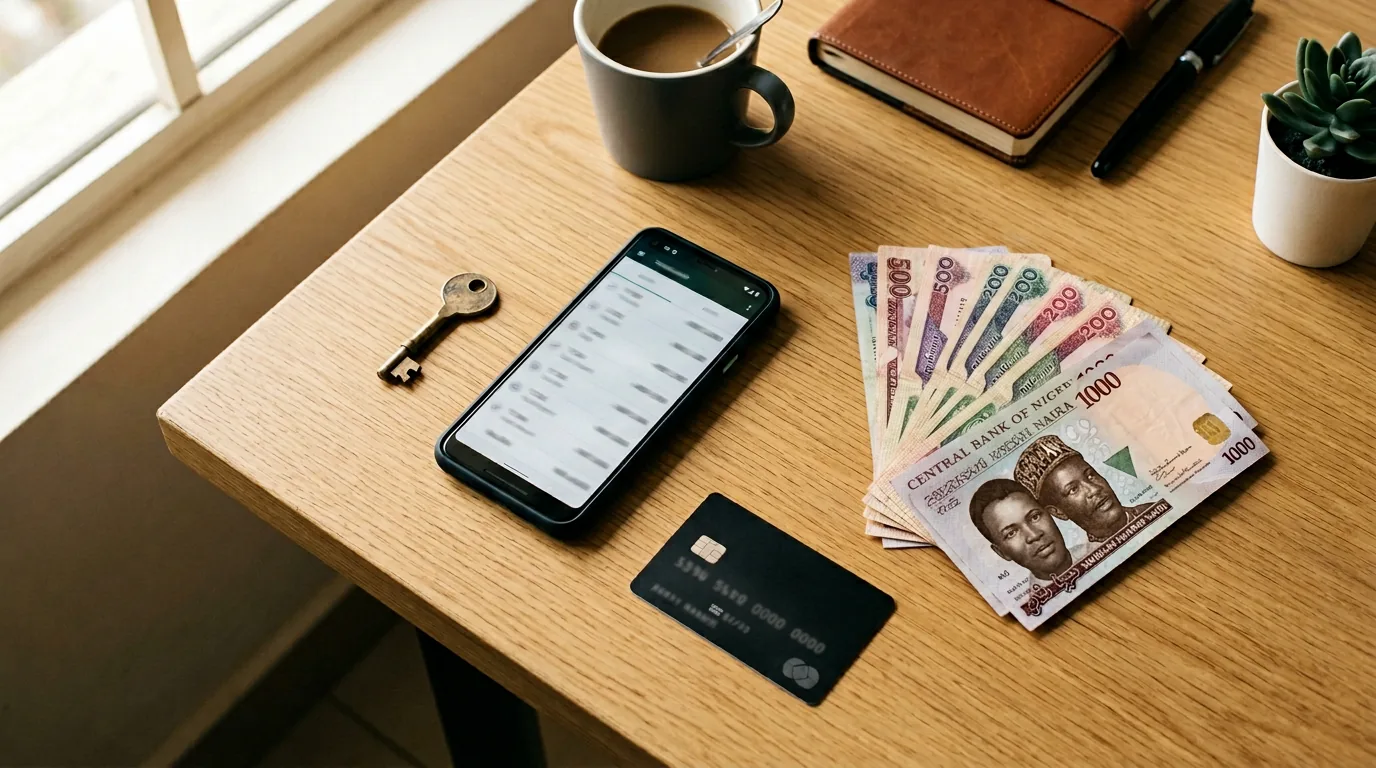
The four rails Nigerian bettors use most
Nigerian online betting runs on four main payment rails. Each has different speeds, limits, and quirks you should know before you deposit.
1. Mobile money wallets: OPay and PalmPay
By far the most common rail. You load the wallet once (from your bank or USSD) then pay any sportsbook with a single PIN. Deposits are instant, withdrawals usually clear within an hour. Minimum deposit is typically NGN 100-500 depending on the operator.
2. Payment gateways: Paystack, Monnify, Flutterwave
These sit on top of your debit card and bank account. Paystack and Monnify are the two most-seen options at Nigerian sportsbooks. No wallet setup needed; pay with card directly. Slight delay (5-30 seconds) versus e-wallets.
3. Bank transfer and USSD
Direct from your Nigerian bank. USSD is useful when you have no data. Codes like *737# (GTB), *894# (First Bank), *901# (Access) work for instant bank transfers. Minimum is usually NGN 100.
4. Cryptocurrency
The only way to deposit at Stake.com from Nigeria, and an option at most other operators. USDT (Tether) on the Tron network is the standard: low fees, quick confirmation. The CBN restricts banks from processing crypto-to-naira directly, so most Nigerians use P2P platforms like Binance P2P or Noones to buy USDT first.
Which should you use?
- Casual bettor, small stakes: OPay or PalmPay.
- Larger deposits: bank transfer via USSD or Paystack.
- Privacy-focused: crypto. Slightly more setup, much more control.
Fees to watch for
Most operators do not charge you a fee on top of your deposit. Your bank or wallet usually does not either, as long as you stay within your monthly free transfer limit. Crypto fees vary by network; stick to USDT-TRC20 for low fees.
KYC and limits
Every operator requires identity verification before your first withdrawal. Have a photo of your NIN slip or international passport ready. Daily deposit limits vary: most e-wallets cap at NGN 500,000 to NGN 10,000,000 per day depending on tier.
Deeper reading: what our editors learned the hard way
The Nigerian rails ecosystem in one page
Nigerian betting payments run across six main rails: OPay, PalmPay, Paystack, Flutterwave (less common), USSD via the major banks, and crypto (for Stake). Each rail has a different speed, cost and availability profile. No single operator supports all six rails at full capacity; what matters is which rails your operator supports well.
For most Nigerian bettors the right primary rail is OPay for deposits and withdrawals, USSD as a backup for times OPay is down, and a second operator that supports a different rail (Paystack or Flutterwave) as a fallback. Running a single rail on a single operator is a single point of failure that will bite you during an important matchday.
OPay: the default winner
OPay is the single most-used rail on the six operators we review. The deposit is instant 95% of the time, the withdrawal usually lands in under 10 minutes to an OPay wallet or under 30 minutes to a bank account.
Fees are zero on the operator side (for every brand we review), and the rail charges are absorbed by the operator. On withdrawals larger than N50,000 some operators split to two or three tranches, a user-experience quirk that is worth knowing but does not change the total received.
Known weakness: OPay has approximately 20-minute blackout windows roughly once a week during CBN batch settlement. If your deposit fails at 10pm on a Sunday, wait 20 minutes and try again before escalating.
PalmPay: nearly-OPay with less coverage
PalmPay is functionally similar to OPay but with materially fewer Nigerian users and, as a result, less operator integration depth. Three of the six brands we review (1xBet, Melbet, Betwinner) support PalmPay as a named option; the other three route PalmPay via a generic card-rail partner, which adds friction.
If you have a PalmPay wallet, it is a fine primary rail on the three brands that support it named. If you do not, OPay is the easier primary rail, the UX gap between the two is real and PalmPay is not worth opening a new wallet for just to bet.
Paystack: the card-rail backbone
Paystack is the payment-processing backbone for a large fraction of Nigerian consumer fintech. When you pay with a Verve, Visa or Mastercard on a Nigerian operator, the transaction is almost certainly running through Paystack.
Advantages: excellent uptime (Paystack SLAs are the best in Nigerian payments), familiar flow for anyone who has bought from a Nigerian e-commerce site, and strong fraud protection. Disadvantages: card deposits carry a 1 to 1.5% fee on the operator side, which some operators pass through to the bettor. Withdrawal via Paystack is slower than OPay, typically 30 to 90 minutes to bank account.
We use Paystack as a backup rail. It is reliable, sometimes slower, and rarely a first choice for a regular bettor.
USSD: the offline-first backup
USSD (the *737# and similar bank codes) is the only rail that works without data or a working mobile app. For Nigerian bettors in areas with flaky 3G, USSD is the difference between betting and not betting.
Deposit flow: enter the operator's USSD string, confirm the amount, enter your PIN. Typically 60 to 120 seconds end to end, with deposit credit landing within 2 minutes. The rail works on every major Nigerian bank (GTBank, FirstBank, UBA, Zenith, Access).
Withdrawal via USSD is not universally supported, most operators require a bank-account lookup for the first withdrawal, which has to be done via the app or web. Once the account is linked, USSD becomes an OK withdrawal option (but slower than OPay).
Crypto: specialist option for Stake
Stake is the only operator in our listing that takes crypto exclusively. If you want to play on Stake, you need a crypto wallet (Trust Wallet, MetaMask or an exchange wallet like Binance) and a way to get naira into crypto (Binance P2P, Paxful, or an exchange with Nigerian on-ramps).
The flow: buy USDT or BTC on Binance P2P with a naira transfer, send the crypto to your Stake deposit address, play. Withdrawal reverses the flow, Stake sends crypto to your wallet, you sell to naira on Binance P2P, naira lands in your bank account.
Time: if your wallet is already funded, the Stake deposit is 5 to 10 minutes (one blockchain confirmation). If you are buying crypto first, add 15 to 30 minutes for the P2P trade. Withdrawal is the same shape in reverse.
Cost: Binance P2P typically trades at a 0.5 to 1.5% premium to the black-market rate. That is the real cost of using crypto as a Nigerian betting rail. It is worth paying if you specifically want Stake's odds or Originals; otherwise, naira-direct operators are simpler.
Which rail for which size
Under N10,000: USSD is fine and OPay is best. Any rail works.
N10,000 to N100,000: OPay primary, Paystack backup. PalmPay if you already have the wallet.
N100,000 to N500,000: OPay is still fine but split into two or three deposits if the operator caps at N100,000 per transaction. Paystack via direct bank transfer is an equally good choice for the full amount in one go.
Above N500,000: bank transfer direct (not via OPay or card) is the cleanest rail. Operators treat large direct-bank deposits with specific KYC steps that you want to get done ahead of a matchday, not during one.