Payment methods for Nigerian players, tested on real accounts.
Six rails. Six operators. One matrix. We test every method every month on active staff accounts — deposits, withdrawals, the lot. No guesswork.

Paystack
Card + bank transfer rail trusted by Nigerian fintech
Read the deep dive →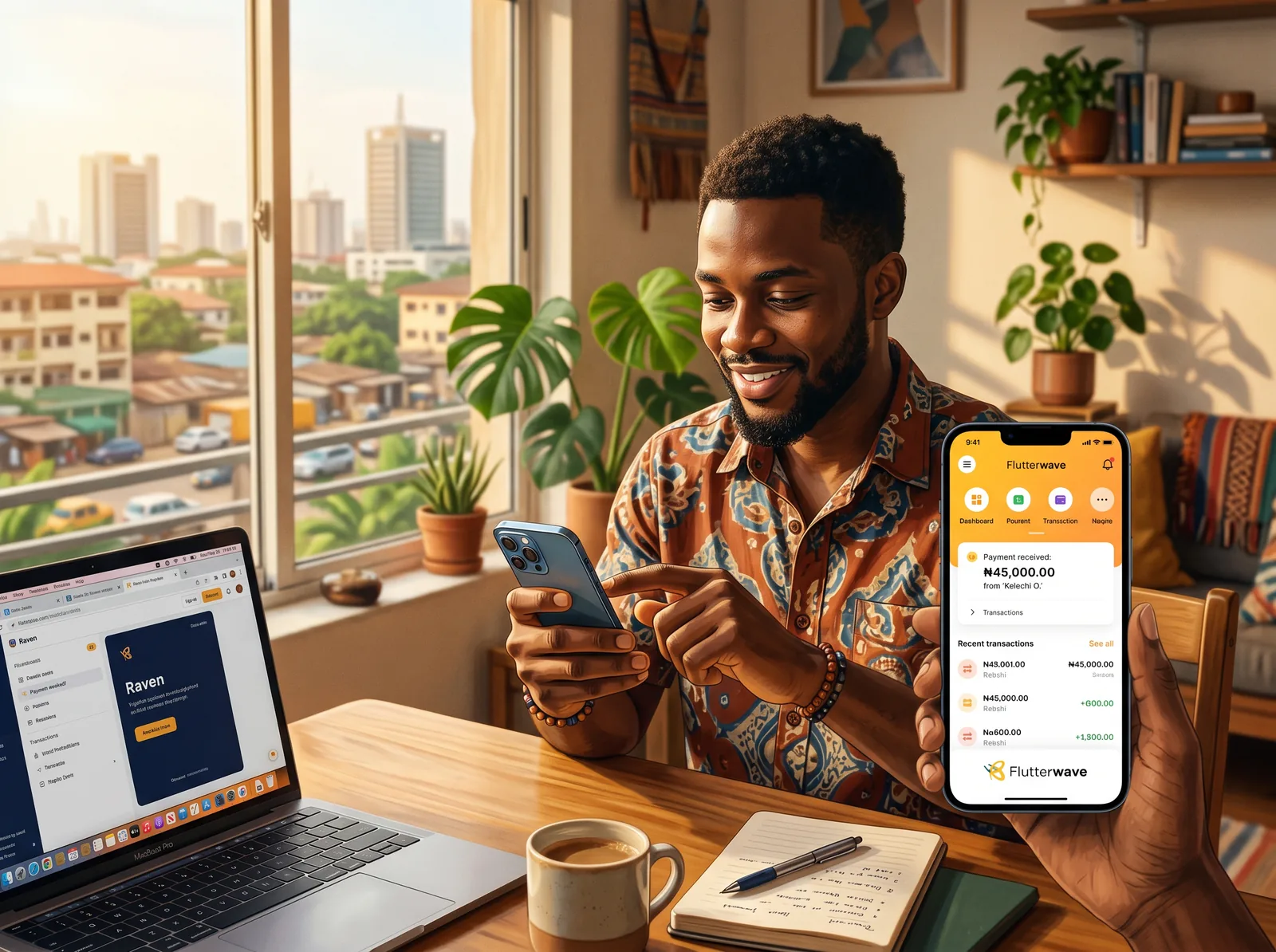
Flutterwave
Multi-rail gateway — card, bank, USSD, mobile money
Read the deep dive →
OPay
Nigeria's most-used mobile wallet — and our fastest rail
Read the deep dive →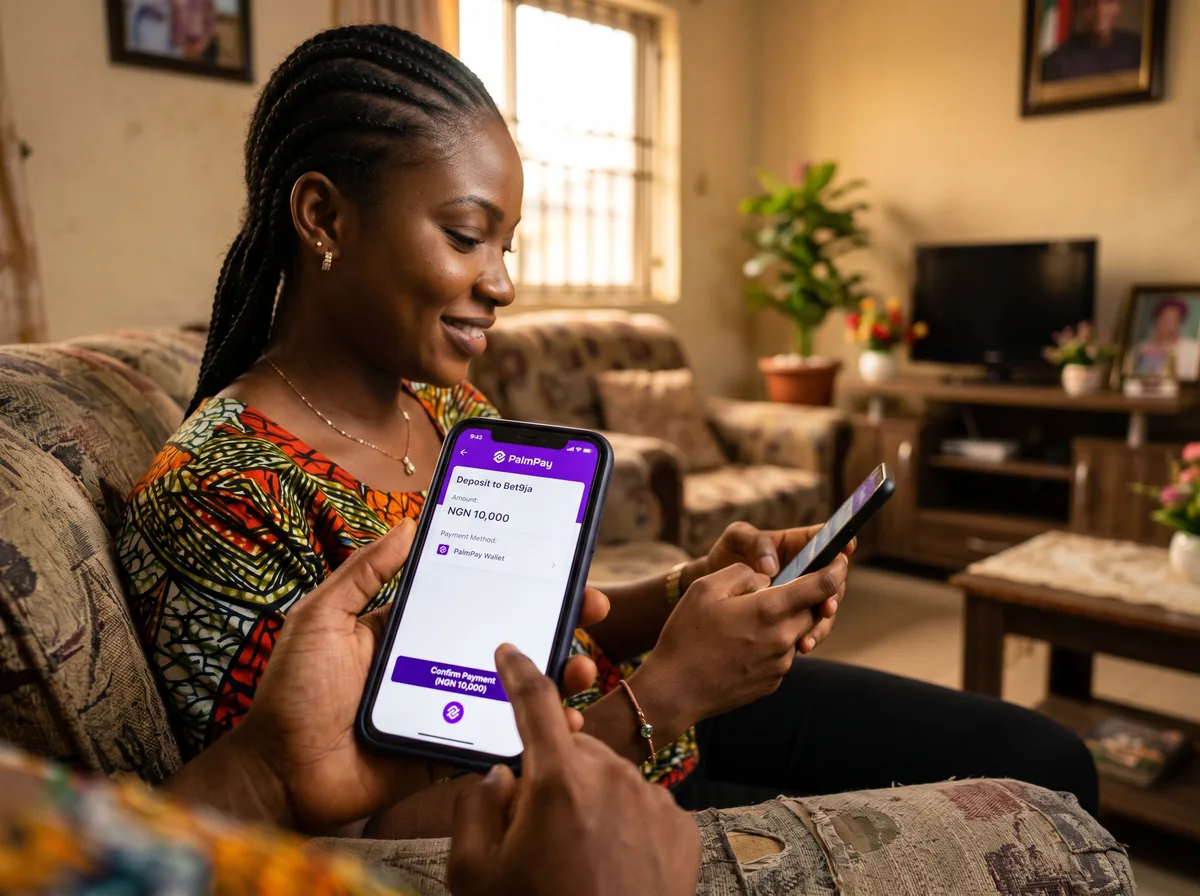
PalmPay
Fast-growing mobile wallet, clean app, great OPay alternative
Read the deep dive →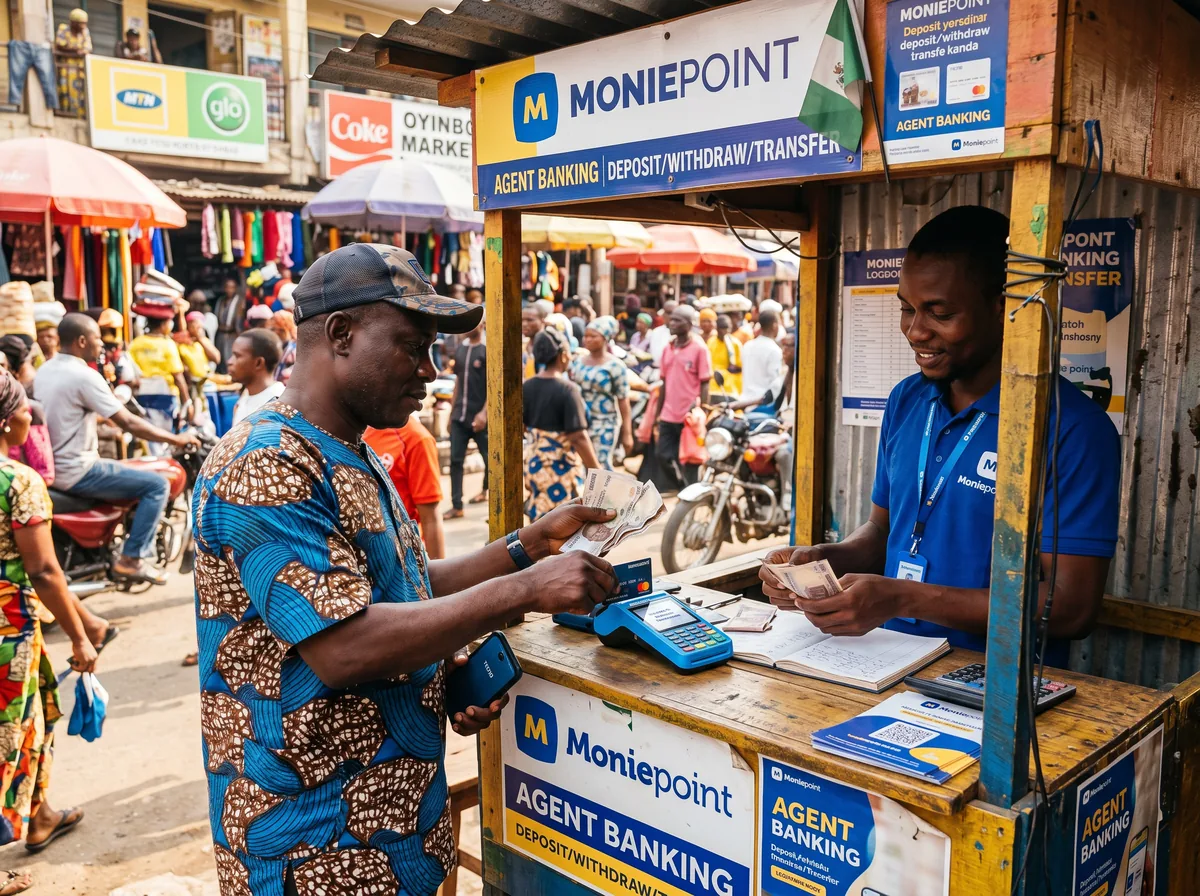
Moniepoint
POS agents nationwide, great for cash deposits, steady online rail
Read the deep dive →
USSD (Bank Shortcodes)
Works on feature phones. No data. No apps.
Read the deep dive →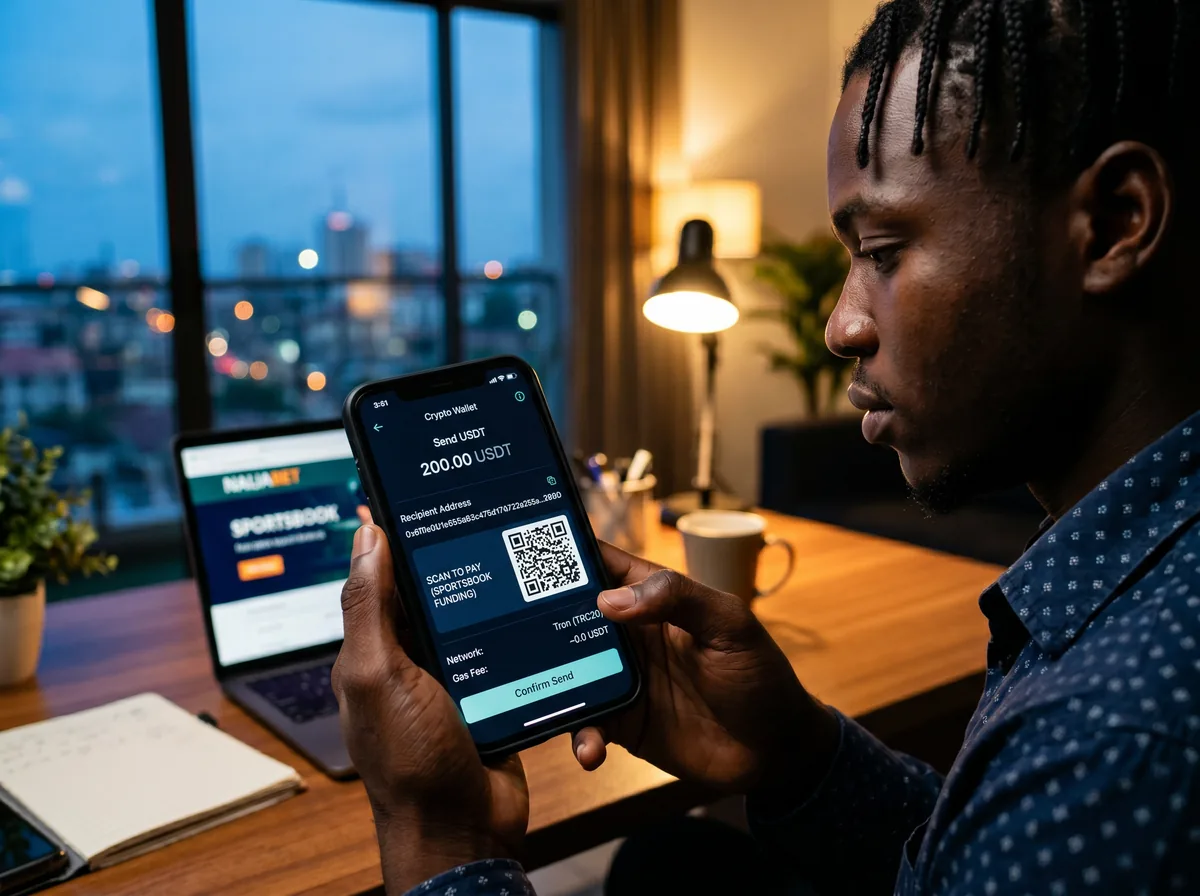
Cryptocurrency
The only deposit rail for Stake, and a naira-free option for others
Read the deep dive →Which rail works at which sportsbook?
Updated April 2026. We re-check this matrix at the start of every month by making live deposits.
| Payment method | Stake | 1xBet | 1Win | Melbet | Betwinner | Paripesa | Bet9ja | BetKing | SportyBet | Betano | Betway | BC.Game | Roobet | Shuffle | SpinBetter | bet365 | 22Bet | N1Bet | Megapari | Mostbet | 888Starz | Cloudbet | BitStarz | NairaBet | Parimatch | BangBet |
|---|---|---|---|---|---|---|---|---|---|---|---|---|---|---|---|---|---|---|---|---|---|---|---|---|---|---|
| PaystackCard & Bank Transfer | — | ✓ | ✓ | ✓ | ✓ | ✓ | — | — | — | — | — | — | — | — | — | — | — | — | — | — | — | — | — | — | — | — |
| FlutterwaveGateway (Card / Bank / USSD) | — | ✓ | — | ✓ | ✓ | ✓ | — | — | — | — | — | — | — | — | — | — | — | — | — | — | — | — | — | — | — | — |
| OPayMobile Wallet | — | ✓ | ✓ | ✓ | ✓ | ✓ | — | — | — | — | — | — | — | — | — | — | — | — | — | — | — | — | — | — | — | — |
| PalmPayMobile Wallet | — | ✓ | ✓ | ✓ | ✓ | ✓ | ✓ | ✓ | ✓ | — | — | — | — | — | — | — | — | — | — | — | — | — | — | — | — | — |
| MoniepointMobile Wallet / Agent Banking | — | ✓ | ✓ | ✓ | ✓ | ✓ | ✓ | ✓ | — | — | — | — | — | — | — | — | — | — | — | — | — | — | — | — | — | — |
| USSD (Bank Shortcodes)Bank USSD | — | ✓ | — | ✓ | ✓ | ✓ | ✓ | ✓ | ✓ | ✓ | — | — | — | — | — | — | — | — | — | — | — | — | — | — | — | — |
| CryptocurrencyCrypto (BTC, ETH, USDT) | ✓ | ✓ | ✓ | ✓ | ✓ | — | — | — | — | — | — | — | — | — | — | — | — | — | — | — | — | — | — | — | — | — |
How we test payment rails
Every month, Chinwe and Emeka each make one NGN 5,000 deposit and one NGN 3,000 withdrawal at every operator, on every rail they support. We time it. We screenshot it. If a rail breaks, we don't hide it — we flag it on the method page.
If a sportsbook drops a rail or adds one, we know within a week. If it's yours that breaks, let us know and we'll investigate on Monday.
Which rail should you use
For 95% of Nigerian bettors, the answer is OPay primary and USSD as a backup. OPay is fast, cheap, reliable, and supported by every operator in our listing. USSD works when OPay is down or when you are in an area with poor data.
For 4% of bettors — those who bet larger amounts (N100,000+) regularly — direct bank transfer via Paystack or the operator's bank-transfer option is cleaner. Larger deposits through OPay sometimes trigger additional KYC friction.
For 1% of bettors — those who specifically want to play on Stake — crypto is the only path. Bitcoin, USDT or BNB via Binance P2P is the standard flow.
What we test every quarter
Deposit speed: from clicking ‘Confirm’ in the app to the balance appearing in the operator account. Measured in seconds.
Deposit failure rate: how often a deposit fails at each step, from wallet debit to operator credit. Expected failure rate at a well-run operator is under 0.5%.
Withdrawal speed: from clicking ‘Withdraw’ in the operator to the money appearing in your Nigerian bank or OPay wallet. Measured in minutes.
Withdrawal rejection rate: how often a withdrawal is bounced back with a KYC or limit query. Expected rejection rate for a KYC-complete account is under 1%.
Fee leakage: whether the operator passes through any rail fees to you. Every operator we list absorbs the fee; we will flag any that starts passing through.
How the rails differ in failure mode
OPay: occasional 10 to 20 minute blackouts during CBN batch windows. Symptoms: wallet shows ‘Pending’. Resolution: almost always self-resolves within 30 minutes. If not, OPay support chat is responsive.
Paystack: very rare outages, but when they happen, card deposits fail consistently across all Nigerian operators at once. Diagnosis: check status.paystack.com.
USSD: the single most reliable rail in our testing, because it has the fewest moving parts. Failure is almost always a user input error (wrong amount, wrong PIN) or a network outage at the bank side.
Crypto: failure is rare at the blockchain level but common at the fiat on-ramp. Binance P2P sellers sometimes delay for 20 to 60 minutes, especially at night.
What to do if a payment fails
Deposit failure: wait 30 minutes before retrying. Many ‘failed’ deposits eventually settle when the CBN batch runs. If the wallet is not debited, the deposit did not happen and you can safely retry.
Deposit stuck in ‘Pending’: screenshot the wallet confirmation, contact operator support with the transaction reference, wait for manual reconciliation. Usual resolution time: 2 to 24 hours.
Withdrawal delayed: first, confirm KYC is complete. Second, confirm the bank account details match your KYC-verified name exactly (a GTBank account in ‘Chinwe E Okafor’ with KYC name ‘Chinwe Emeka Okafor’ can hang). Third, escalate to operator support with the transaction reference.
Withdrawal rejected: almost always a KYC issue. Upload the requested document, acknowledge the rejection reason, resubmit. Repeat rejections on the same document without explanation: escalate to the regulator.